Understanding Local Regulations for Solar Panel Installation in BC


Introduction to Solar Panel Regulations in BC
As the demand for renewable energy sources grows, more homeowners and businesses in British Columbia are considering solar panel installations. However, understanding the local regulations can be a daunting task. This guide aims to simplify the process by outlining key aspects of solar panel regulations in BC.

Permits and Approvals
Before installing solar panels, obtaining the necessary permits is crucial. In BC, you'll typically need a building permit from your local municipality. This ensures that the installation meets local building codes and standards. Additionally, depending on the location and nature of the installation, an electrical permit may also be required.
It's advisable to consult with a professional installer who is familiar with local regulations. They can help navigate the permitting process and ensure compliance with all legal requirements.
Net Metering Programs
BC Hydro and other local utilities offer net metering programs that allow solar panel owners to feed excess electricity back into the grid. Participants receive credits on their utility bills, making solar energy more cost-effective. To qualify, your system must meet specific technical standards and be approved by the utility company.

Building and Zoning Regulations
Building and zoning regulations can vary significantly between municipalities. Some areas may have restrictions on where solar panels can be installed, particularly in heritage or conservation zones. It's essential to check with your local government to understand any specific restrictions or requirements.
Working with a local installer who understands these regulations can help avoid costly mistakes and ensure a smooth installation process.
Environmental Considerations
BC places a strong emphasis on environmental sustainability, and solar panel installations must align with these values. Installations should minimize impact on local wildlife and ecosystems. Additionally, panels must be disposed of or recycled properly at the end of their life cycle to prevent environmental harm.
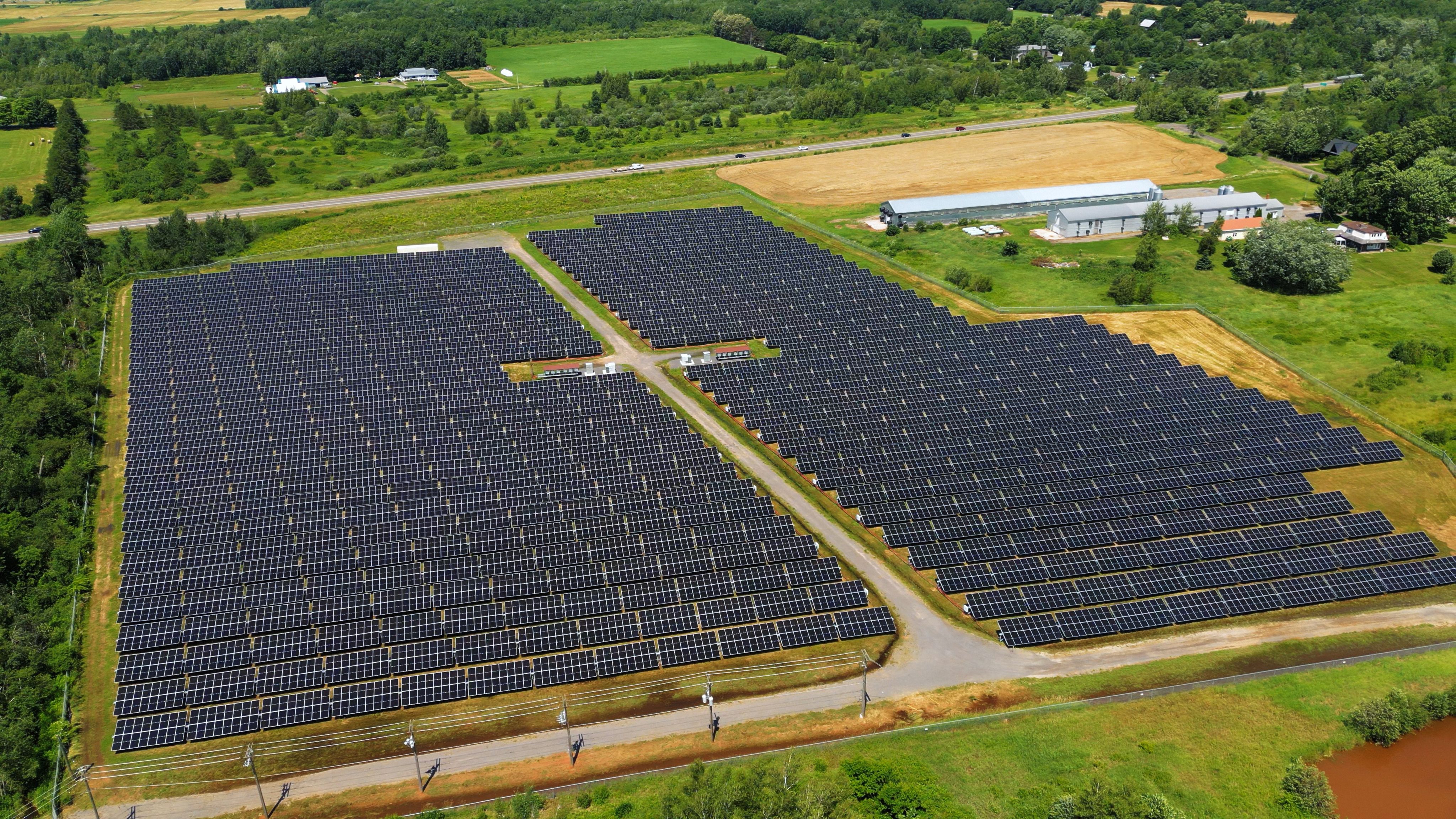
Financial Incentives and Rebates
To encourage the adoption of solar energy, various financial incentives and rebates are available. The provincial government, along with local municipalities, offers programs that can significantly reduce the cost of installation. It's worth exploring these options to maximize savings.
In addition to government incentives, some solar panel manufacturers and installers offer financing options to make solar energy more accessible to homeowners and businesses.
Conclusion
Understanding the local regulations for solar panel installation in BC is a critical step in the transition to renewable energy. By securing the necessary permits, adhering to zoning laws, and taking advantage of financial incentives, you can ensure a successful and compliant solar panel installation.
For anyone considering solar energy, partnering with experienced professionals will help navigate the complexities of local regulations and contribute to a more sustainable future.